
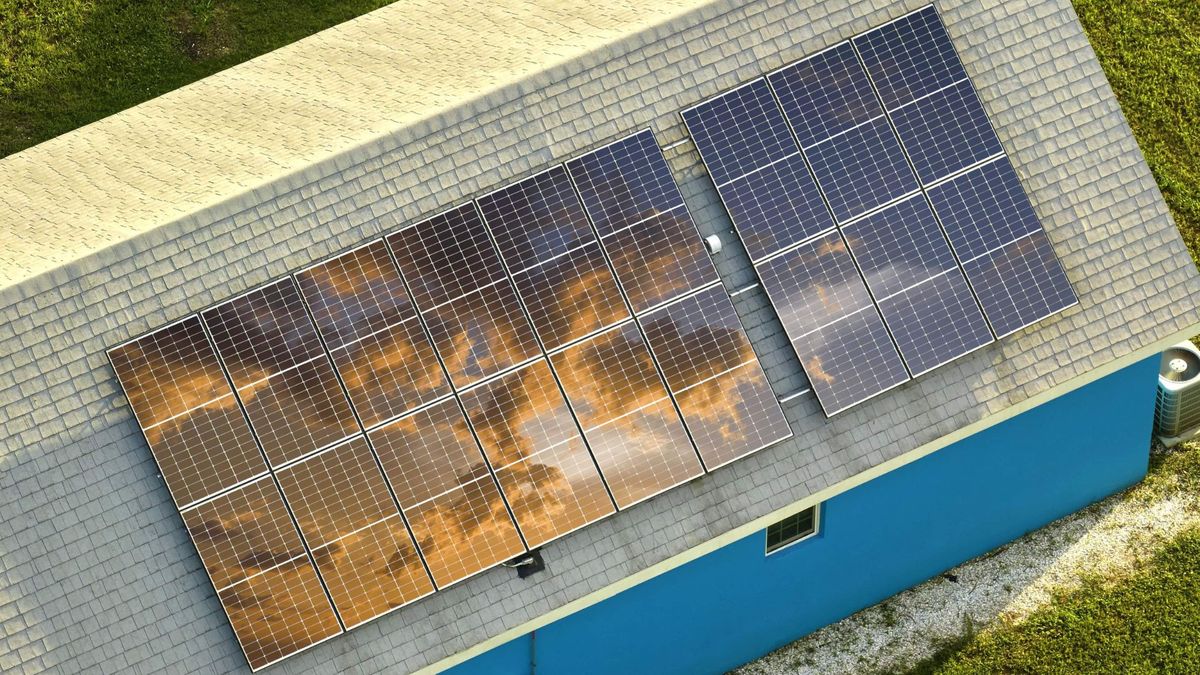
As President of Shepherd Energy, I frequently hear from homeowners who ask, “Why are my energy bills still high after installing solar panels?” It’s a reasonable question—especially after making a significant financial investment intended to reduce utility costs and increase energy independence.
Solar panels are an important step toward cleaner, more sustainable energy. However, they are designed to generate electricity, not correct the underlying inefficiencies within a home that drives excessive energy use. When those inefficiencies remain unaddressed, high utility bills often persist—even with solar installed.
Why Solar Panels Don’t Reduce High Energy Bills on Their Own
Solar panels reduce the amount of electricity a home must purchase from the utility grid. But if a home is inefficient, overall energy demand remains high, and the electricity produced by solar panels is quickly consumed.
Based on our experience at Shepherd Energy, the most common contributors to continued high energy bills after solar installation include:
Air leakage through attics, walls, basements, and ductwork
Insufficient or deteriorated insulation
Inefficient or aging heating, ventilation, and air conditioning (HVAC) systems
Oversized or outdated domestic hot water equipment
The amount of energy a home needs is largely influenced by its mechanical systems and overall building envelope. When these systems are inefficient, energy use increases—often offsetting much of the savings homeowners expect from solar panels.
Air Leakage: The Leading Cause of Ongoing Energy Loss
Air infiltration—the uncontrolled movement of outdoor air into the home and conditioned air out—is one of the most underestimated sources of energy waste.
Even small gaps can have meaningful consequences. A single opening as small as a quarter inch can result in $50 to $100 in energy losses during the winter months. When similar gaps exist throughout a home, the cumulative impact becomes substantial.
When air leakage is present:
Heating and cooling systems must run longer and harder
Energy demand increases
Solar production is rapidly consumed
Additional electricity must still be purchased from the grid
During professional energy assessments, homeowners are often surprised by the extent of air leakage and insulation deficiencies uncovered. These hidden issues quietly erode comfort and drive-up energy costs year-round.
Why Battery Storage Alone Doesn’t Solve the Problem
Battery storage systems can provide backup power and reduce reliance on the grid, but they cannot compensate for an inefficient home.
Independent research reinforces what we consistently observe in the field. A 2025 study led by researchers at Stanford University and published in Nature Energy examined solar-plus-battery performance across U.S. households. The study found that while many homes benefit from lower electricity costs and limited backup power, households with high energy demand—driven by air leakage, poor insulation, and inefficient systems—remain heavily dependent on the utility grid.
The researchers concluded that reducing energy consumption through efficiency improvements is more cost-effective than adding solar panels or battery storage.
To put this into perspective, a typical 10 kWh battery may provide roughly 10 hours of backup power. In contrast, implementing comprehensive air-sealing and insulation improvements can result in a permanent reduction of daily energy demand by several kilowatt-hours. Without addressing inefficiencies first, homeowners may continue adding panels or batteries without achieving meaningful reductions in utility bills.
Start With Efficiency: The ENERGY STAR® Approach
At Shepherd Energy, we consistently recommend addressing energy waste before increasing energy production.
An ENERGY STAR® Home Energy Audit evaluates how a home uses—and loses—energy. Using diagnostic testing and building science principles, the audit identifies practical, cost-effective improvements that lower energy demand, improve comfort, and allow solar systems to perform as intended.
The cost of a professional energy audit typically ranges from $100 to $500, depending on the home. In many cases, this cost is partially or fully offset by rebates and incentives available through local utilities, state programs, and government-backed initiatives—resulting in little to no out-of-pocket expense for homeowners.
The Bottom Line: Efficiency Unlocks Solar’s Full Value
Solar panels are a valuable investment, but they deliver the greatest return when paired with an efficient home. If your energy bills don't drop much after adding solar panels, it's usually due to energy loss in your home rather than a problem with the panels.
By starting with an ENERGY STAR® Home Energy Audit and taking advantage of available incentives, homeowners can reduce energy waste, improve comfort, and fully realize the financial and environmental benefits solar energy is designed to provide.
If energy costs persist at elevated levels following solar installation, the appropriate course of action is to assess your home's overall performance rather than simply adding more panels. Shepherd Energy can help you identify the opportunities that make solar work smarter, not harder. A Home Performance with ENERGY STAR Audit is the appropriate next step to help determine your home’s overall performance.
Crystal Faison serves as President of Shepherd Energy, where she leads data-driven energy assessments that emphasize efficiency, comfort, and long-term building performance.
Footnote
¹ Stanford University researchers, Nature Energy (2025): Findings indicate that efficiency upgrades reduce household energy costs more effectively than expanding solar or battery capacity in high-demand homes.